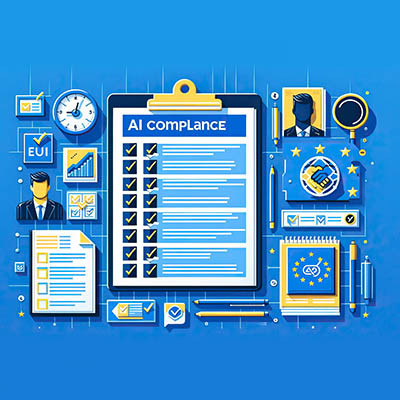


One of the many tasks undertaken by the United Nations is to protect human rights around the globe while also working to create more sustainable and climate-friendly development. As such, the UN has recently taken a healthy interest in the development of artificial intelligence, hoping to develop guidelines that allow us to get the most value out of AI without creating more significant problems.
You might have noticed that business insurance companies are starting to show an interest in how you are protecting your technology and data. If your org has been in touch with your insurance provider regarding modifying or renewing your business insurance, you were likely handed a lengthy questionnaire about your cybersecurity. Let’s take a look together to help you make informed decisions on how to handle your IT and how to prevent your insurance costs from skyrocketing.
The United States Federal Trade Commission’s mandate is to prevent fraud and promote consumer protection in today's interconnected world, where the digital landscape continues to evolve at a rapid pace. The FTC recognizes the importance of safeguarding consumer information and has implemented their Safeguards Rule as a means to ensure that businesses protect sensitive data from unauthorized access and misuse. Let’s take a look at the Safeguards Rule and what you need to know about it in regard to your business.
Every business’ clients trust that they’re taking every measure possible to protect data, like personal information or financial records. However, with the number of businesses using electronic records continuing to climb, along with the rise of cybercrime, many industries have begun to impose regulations and compliances that are designed to keep personal information secure. Health and finance are two of the most heavily regulated industries, with the government having stepped in and set a specific standard of data security regulations that these companies must comply with.
Cloud computing has been touted as one of the most innovative and important technologies for smaller businesses as they look to compete with larger organizations. How it makes this possible is by offering dynamic computing environments that can help bring these smaller businesses into the information age without saddling them with massive infrastructure costs while doing so. That’s not to say that the cloud is cheap by any means, and this month we will discuss how cloud computing is a great option for nearly any business.
Most businesses have compliance regulations they need to meet. 2021 is becoming somewhat of a tipping point for some. Companies are dealing with the development of new data privacy laws that will surely add some responsibilities on top of already established regulations. This month, we thought we’d take a look at compliance and why it is important to stay on top of it.
Nowadays, every business accepts payment cards. To protect people’s personal and financial information when conducting transactions using credit, debit, and gift cards, the companies that stand to lose the most if these transactions are compromised: Visa, Mastercard, Discover, and American Express, have implemented industry-wide compliance regulations. This regulation is called PCI DSS, short for Payment Card Index Digital Security Standard. Let’s take a brief look at this regulation.
Despite what detractors say, regulations are in place for good reason. They typically protect individuals from organizational malfeasance. Many of these regulations are actual laws passed by a governing body and cover the entire spectrum of the issue, not just the data involved. The ones that have data protection regulations written into them mostly deal with the handling and protection of sensitive information. For organizations that work in industries covered by these regulations there are very visible costs that go into compliance. Today, we look at the costs incurred by these organizations as a result of these regulations, and how to ascertain how they affect your business.